Barvincsenko (LEWIT)
A technique for releasing joint blocks that combines bone-cracking, osteopathy and chiropractic techniques. Effective for back, low back, neck and shoulder pain, cartilage wear and joint inflammation.
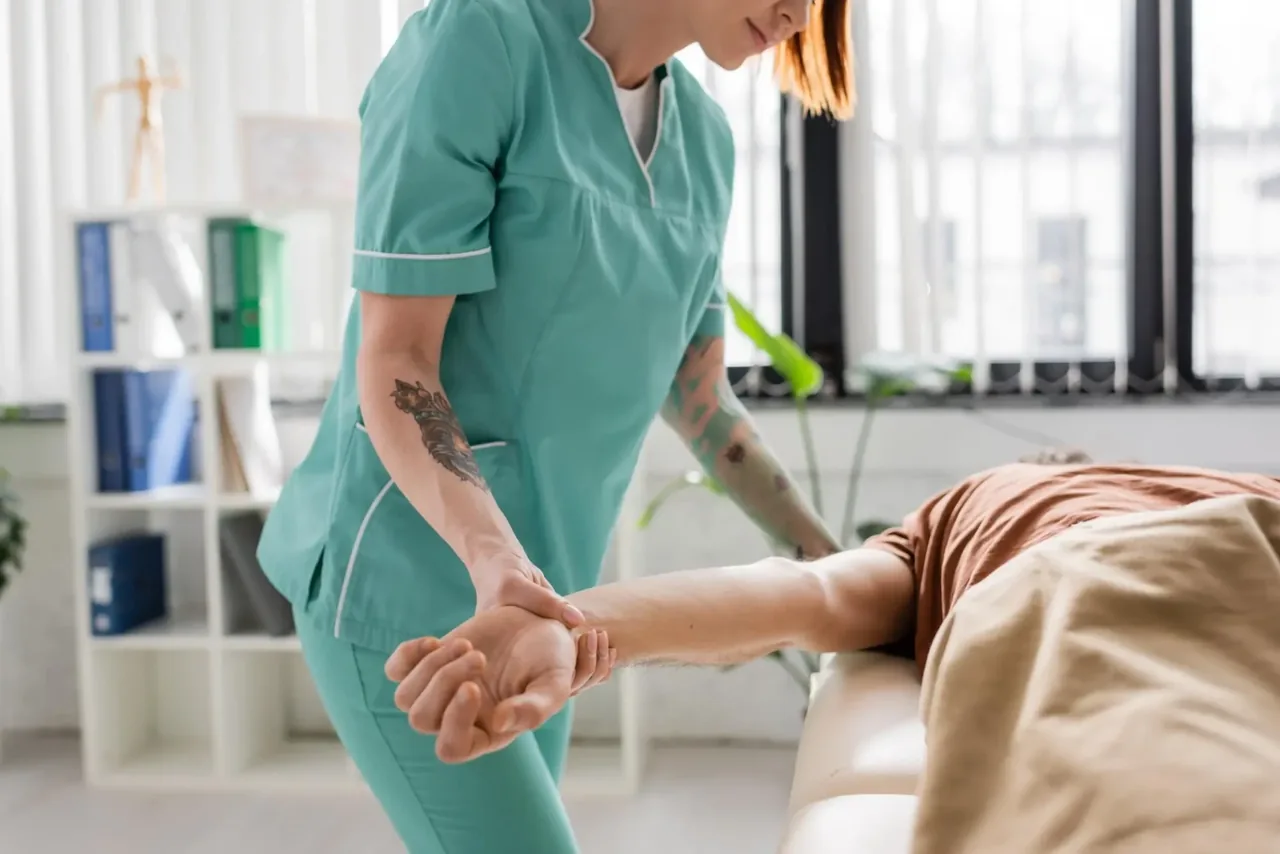
Manual therapy is a passive treatment technique: with therapeutic hand techniques we restore joints and release tight muscles. Many patients feel significant relief after the very first session.
Manual therapy is not only a treatment but also a diagnostic method. Used regularly, it improves joint surface contact, supports joint circulation and cartilage nutrition. The hands-on techniques speed up tissue regeneration — the therapy therefore also has an anti-inflammatory effect.
It also releases adhesions of the connective tissue (fascia) and can reduce pain immediately. Additional goals include restoring muscle tone and returning healthy spinal curvature or joint position.
Physiotherapy is an active, exercise-like method; by contrast, manual therapy is a passive, manipulative technique in which the therapist restores the ideal position of the body by external action.
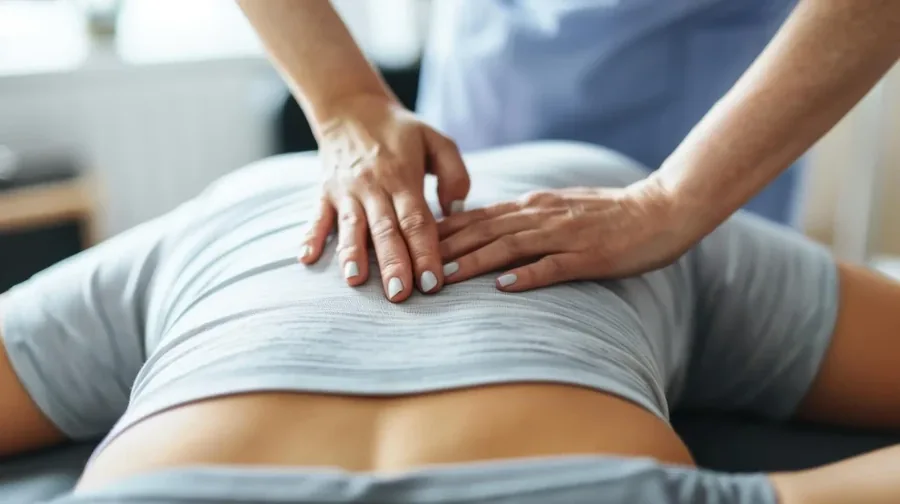
Guaranteed pain-free — no rough or sudden moves like in bone-cracking.
You can feel a positive change right after the first session.
Performed only by qualified, experienced therapists and doctors — high effectiveness.
No medication — you spare your body from side effects.
You don't have to exercise yourself — the therapist does everything.
We also use it as a diagnostic tool — we see exactly what the problem is.
If you struggle with joint or muscle issues, manual therapy can almost certainly help.
Our therapists select techniques from several internationally recognised schools to match your complaints.
A technique for releasing joint blocks that combines bone-cracking, osteopathy and chiropractic techniques. Effective for back, low back, neck and shoulder pain, cartilage wear and joint inflammation.
An internationally renowned method built on a detailed musculoskeletal exam. It treats the source of pain, not just symptoms — for joint, nerve and connective-tissue pain alike.
New Zealand physiotherapist Brian Mulligan's method: passive mobilisation with active movement at the same time. Correcting joint position can make the movement pain-free instantly.
Based on the Anatomy Trains system: uses stimulation and mobilisation techniques supporting connective tissue function to correct musculoskeletal and fascial imbalances.
The Fascial Distortion Model — restoring twisted connective tissue. Particularly effective for acute pain, restricted movement or linear/deep muscle pain.
Anamnesis and detailed physical exam: posture, range of motion of the vertebrae, body and limb asymmetries.
A personalised plan with the recommended manual therapy methods, techniques and treatment schedule.
If our plan works for you, treatment starts at the very first visit. Improvement is typically felt within a few sessions.
No — the treatment is guaranteed to be pain-free, with none of the rough or sudden moves of bone-cracking. Our therapists work within your tolerance.
For many patients 2–5 sessions are enough; for more serious complaints a longer programme is advised — you'll get a realistic plan at the first consultation.
Physiotherapy is active — you perform the exercises. Manual therapy is a passive manipulative technique in which the therapist restores the ideal position of the body or a specific structure.
Yes. We only work with university-trained, experienced manual therapists, and every technique is based on proven methodology.
In case of acute inflammation, fever or fresh trauma, medical evaluation is recommended first. If in doubt, call us — we'll help you decide.
Say no to pain and take the first step towards recovery. Our professional, empathetic team welcomes you at our 6th district MozgásKlinika in Terézváros.
Subscribe and be the first to receive useful articles, exercises and offers about musculoskeletal health.